
How to Prevent Ice Dams on North Idaho Roofs
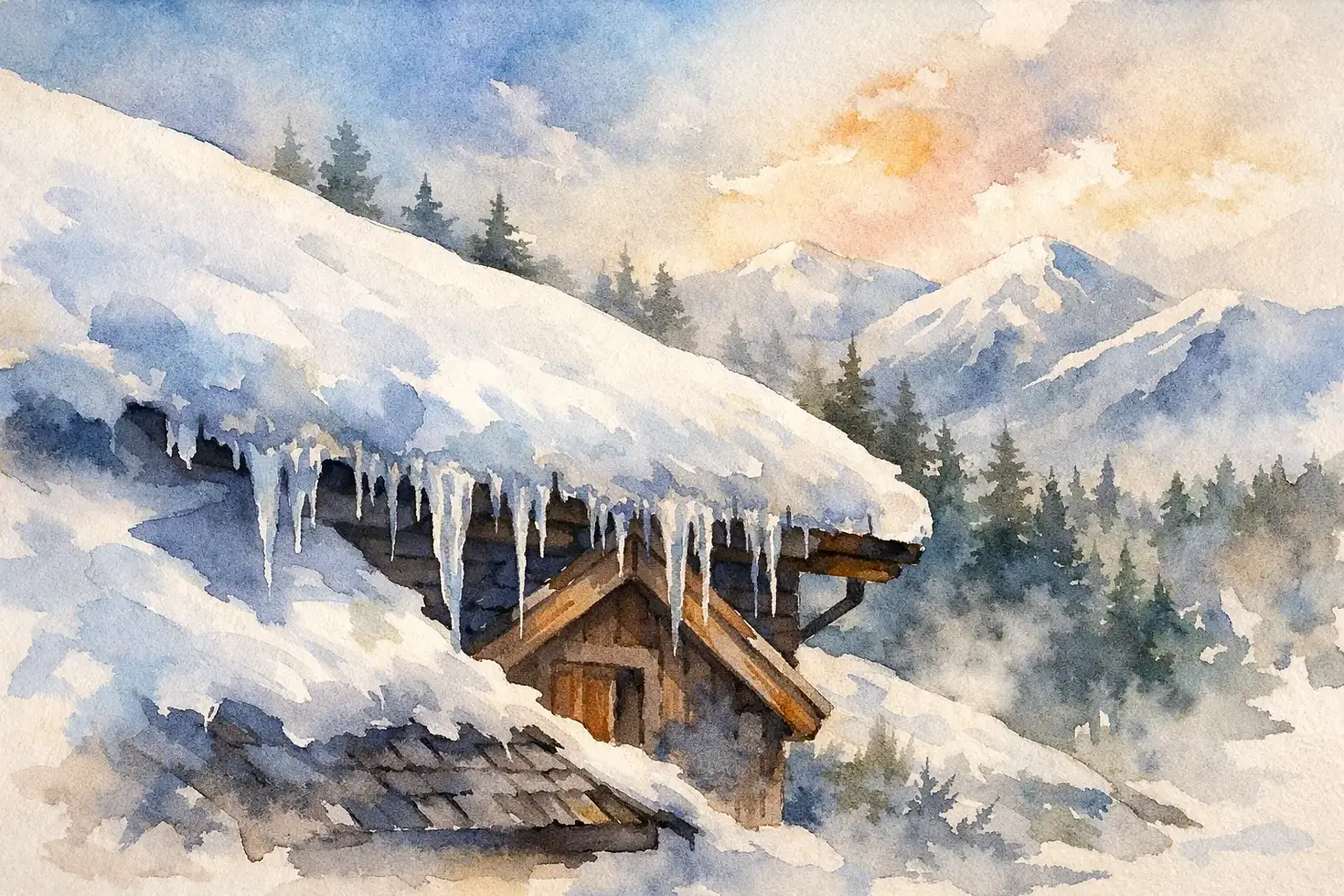
A row of icicles along the eaves can look like part of a North Idaho winter, but it can also signal a problem above the ceiling. When snow melts on the upper roof and refreezes at the colder edge, water can back up beneath shingles, wet insulation, stain drywall, and damage framing over time. Understanding how to prevent ice dams starts with controlling heat loss from the house - not simply removing ice after it appears.
Why Ice Dams Form on Northern Idaho Homes
An ice dam forms when part of a roof is warm enough to melt snow while the roof edge remains below freezing. Meltwater flows down the roof, hits that cold overhang, and freezes. As the ridge of ice grows, new meltwater has nowhere to drain. It pools behind the dam and can work its way under roofing materials.
In Sandpoint and across North Idaho, deep snow, extended freezing temperatures, and frequent temperature swings create the right conditions for this cycle. The primary cause is usually uneven roof temperature. Warm air from the living space leaks into an attic or roof cavity, warming the roof deck from below. Insufficient insulation, gaps around penetrations, and poor attic ventilation can all contribute.
A heavy snow year can expose a weakness that has been present for years. That does not always mean the roof needs to be replaced. It does mean the source of the heat and moisture movement deserves a careful look.
How to Prevent Ice Dams by Controlling Heat Loss
The most reliable approach is to keep the roof deck as cold and uniform as possible. That requires a coordinated system of air sealing, insulation, ventilation, and sound roof detailing. One improvement may help, but the best long-term results come from addressing the entire assembly.
Air-seal the ceiling plane first
Warm air carries moisture. When it escapes through openings at the ceiling level, it enters the attic and raises the temperature under the roof. Common leakage points include recessed light fixtures, attic hatches, plumbing stacks, electrical penetrations, bath fan housings, interior soffits, and the gap where walls meet the attic floor.
Air sealing should come before adding more insulation. Insulation slows heat transfer, but it does not stop warm air from moving through openings. A properly sealed attic access hatch and sealed penetrations can make a meaningful difference, especially in older homes and homes with multiple remodels over the years.
This work also improves comfort inside the home. Rooms below the attic often feel less drafty when the ceiling plane is properly sealed, and the heating system does not have to work as hard during cold stretches.
Add enough insulation without blocking airflow
After air sealing, attic insulation should be evaluated for depth, coverage, and condition. Compressed, uneven, damp, or poorly installed insulation cannot perform as intended. Thin areas around attic perimeters are especially common, yet those areas sit near the cold roof edge where ice dams develop.
The right insulation strategy depends on the home. A conventionally vented attic can often be improved with carefully installed blown or batt insulation while preserving ventilation channels at the eaves. Cathedral ceilings and finished rooflines are more complicated because there is less room to create both insulation depth and an air channel. Those assemblies may require a more detailed approach during a major renovation or reroofing project.
More insulation is not automatically better if it covers soffit vents or traps moisture. Baffles at the eaves help maintain an open path from soffit intake vents to the attic space above the insulation.
Make attic ventilation work as a system
Ventilation helps remove excess heat and moisture from a vented attic. In a well-designed system, cooler outside air enters through soffit vents and exits near the roof ridge. This movement helps keep the roof deck closer to outdoor temperature.
Ventilation is not a substitute for air sealing and insulation. If warm interior air is freely leaking into the attic, adding more vents can fall short of the result homeowners expect. Think of ventilation as the final part of a coordinated roof and attic system, not a stand-alone fix.
Vents also need to remain open. Insulation pushed into the eaves, blocked soffit openings, or a ridge vent interrupted by roof details can limit airflow. During an inspection, it is worth confirming that intake and exhaust ventilation are both present and connected by a clear path.
Pay attention to roof shape and exterior details
Roof design affects how snow accumulates, melts, and sheds. Valleys, dormers, low-slope transitions, skylights, and long overhangs all require careful detailing in snow country. These features are not problems by themselves, but they create places where water and ice need extra attention.
During a reroof or new build, a qualified contractor can evaluate underlayment coverage, flashing, valley construction, and eave protection for the home’s specific roof geometry. Self-adhering ice-and-water membrane at vulnerable roof areas provides a secondary layer of protection if water backs up under shingles. It is valuable insurance, but it does not eliminate the need to correct heat loss.
Gutters should be installed and sloped to drain properly, but they should not be expected to solve an ice dam caused by a warm roof. In fact, gutters may freeze during prolonged cold weather even on a well-built home. The goal is to prevent water from backing up into the roof assembly.
Manage Snow Carefully During Winter
When a roof has a history of ice dams, snow removal can reduce the amount of meltwater available to feed them. A roof rake used from the ground can clear the lower few feet of the roof after significant snowfall. Use a tool designed for roofing, work carefully, and avoid scraping shingles or metal roofing with the blade.
Do not climb onto an icy roof unless you are trained, equipped, and able to do so safely. Falls are a serious winter hazard, and walking on a snow-covered roof can damage roofing materials. Avoid chopping at ice dams with axes, hammers, or sharp tools. It is easy to puncture shingles, dent metal, or create a larger leak while trying to solve an immediate problem.
Heat cables and ice-melt products can have limited, temporary roles in specific locations, but they are not a substitute for correcting the building conditions that created the dam. Improperly installed heat cable can create its own maintenance issues. Chemical ice melt may affect gutters, roofing finishes, landscaping, and runoff areas. If an active leak is occurring, a roofing professional can recommend the least damaging emergency response, including controlled steam removal where appropriate.
Know When an Ice Dam Calls for a Deeper Investigation
A single ice dam after an unusually severe storm may be a maintenance issue. Repeated dams in the same location, however, usually point to a predictable heat-loss pattern. Look for warning signs such as recurring large icicles, frost in the attic, damp insulation, peeling paint near exterior walls, ceiling stains, or moldy odors after snowmelt.
An attic and roof assessment should consider the full picture: insulation levels, air leaks, moisture conditions, vent paths, roof geometry, flashing details, and snow accumulation. This matters because the visible ice is often downstream from the real problem. Repairing damaged drywall or replacing a section of shingles without correcting the cause can leave the home vulnerable next winter.
Plan for Ice-Dam Prevention During Major Work
A reroof, addition, attic conversion, or exterior renovation is an ideal time to improve cold-weather performance. Access is better, roof details are exposed, and upgrades can be coordinated instead of pieced together later. For custom homes, these decisions should begin early, alongside site planning, drainage design, snow-load requirements, and roofline development.
A home built for North Idaho needs more than a roof that looks right from the driveway. It needs an assembly that handles snow, manages moisture, and protects the spaces below it through long winters. Sandpoint Home Builders approaches these details as part of durable, practical construction rather than an afterthought.
Before the next sustained freeze, take a close look at the attic, roof edges, and areas where ice repeatedly forms. A targeted evaluation now can protect your roof, finishes, and peace of mind when the snow starts to build.



Comments